

The philosophy of movement begins with the idea that everything in the cosmos is in motion.

Reality is not made of static forms or unchanging laws but instead woven from processes whose relatively stable but indeterminate iterations generate the relationships and phenomena we see around us.
What is Movement?
We often define movement as a change in position from point A to point B in space and time, but we can alternatively think of the movement of energy as creating, sustaining, and modulating spacetime itself along with everything else.
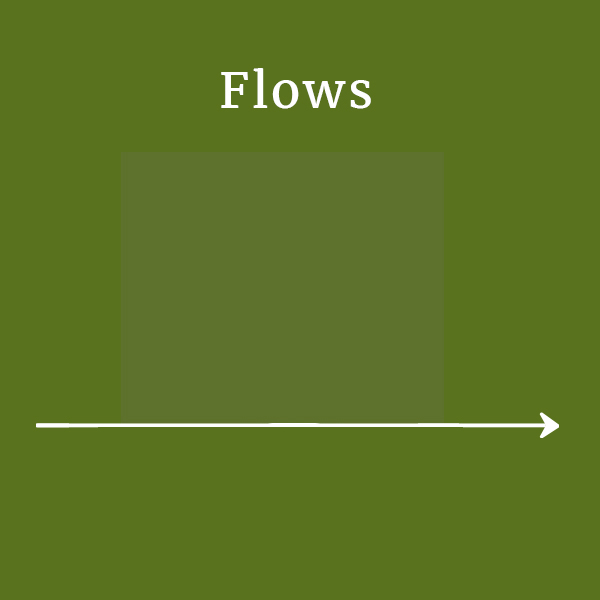
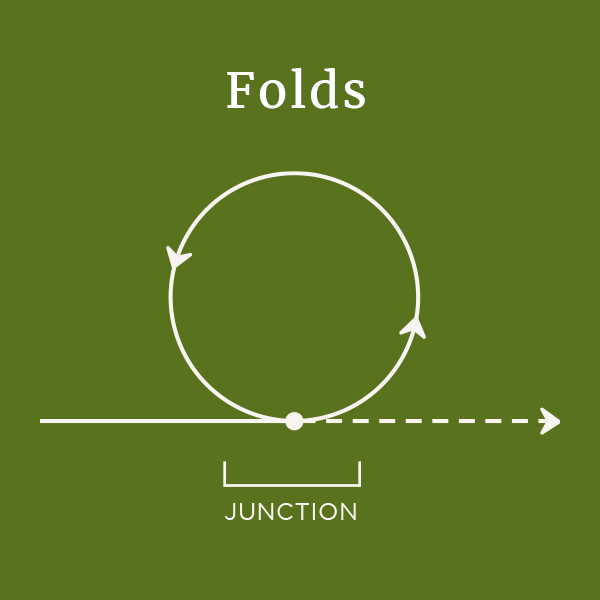


Patterns in Motion
The philosophy of movement draws on ancient and modern texts from around the world to show how a movement-oriented perspective can help us better understand a wide range of phenomena from the cosmic and terrestrial to the history of human activity including philosophy, religion, art, science, and politics.
If the world is forged into fields-of-motion we can begin to identify certain metastable patterns across traditionally separated areas of study and scales as they mix and develop in history. Such a framework can offer a new and holistic approach to many fundamental questions across disciplines.
A World in Motion
The philosophy of movement is dedicated to researching the deep and wide planetary history of movement and human thinking about it. Why have so many thinkers sought an unmoved foundation for reality and knowledge? What are the consequences and what are the alternatives?
 The Philosophy of Movement